 Reviews


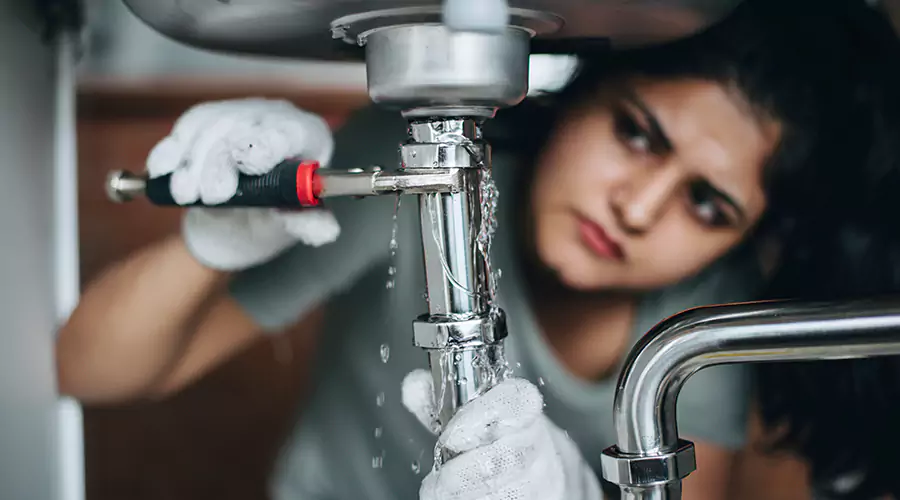
A burst pipe is one of the most stressful emergencies a homeowner can face. In seconds, water can pour into your living space, damaging floors, walls, furniture, and personal belongings. The difference between a minor cleanup and a major disaster often comes down to how quickly you act. When a pipe bursts, every minute counts, and emergency plumbing repair becomes essential. Water spreads fast. It seeps into drywall, soaks into carpets, and finds its way into electrical systems. Knowing exactly what to do before the plumber arrives can save you thousands of dollars in repair costs and prevent long term damage like mold and structural rot. This guide provides a clear, step by step action plan for the first critical minutes after a pipe bursts.
Step 1: Shut Off the Main Water Supply Immediately
Your first and most important action is to stop the source of the water. Do not waste time trying to wipe up water or move furniture before doing this. Find your main water shutoff valve and turn it off. This valve controls all water entering your home. When it is closed, the flow of water stops completely, even if the burst pipe continues to leak.
Where to find your main shutoff valve:
- In a basement near the front wall where the water line enters
- In a crawl space under the house
- In a garage on an interior wall
- In a utility closet near the water heater
- Outside near the street inside a covered box called a buffalo box
How to turn it off:
- Turn the valve clockwise until it stops. For a gate valve, this may require several full turns. For a ball valve, the handle should be perpendicular to the pipe when fully closed. If the valve is stiff, use a pair of pliers or a wrench for leverage. Do not force it to the point of breaking. If you cannot turn the valve or if it is broken, call your water utility company immediately. They can shut off the water at the meter.
Pro tip:
- Every family member who is old enough should know where the main shutoff valve is located and how to operate it. Label the valve with a bright tag so it is easy to find during an emergency.
Step 2: Turn Off the Water Heater
After shutting off the main water supply, turn off your water heater. This is a critical safety step that many homeowners forget. When the main water supply is off, your water heater tank still holds 40 to 80 gallons of hot water. However, if the tank drains completely while the heating element or burner is still active, it can overheat and fail catastrophically.
For an electric water heater:
- Go to your electrical panel and flip the breaker labeled for the water heater to the off position.
For a gas water heater:
- Turn the gas control valve to the pilot or off position. Follow the manufacturer instructions for your specific model.
Do not skip this step. A water heater that runs without water inside can melt internal components, start a fire, or explode in extreme cases. Wait until the burst pipe is repaired and the system is refilled before turning the water heater back on.
Step 3: Open All Cold Water Faucets
Once the main supply is off and the water heater is off, open every cold water faucet in your home. This includes kitchen sinks, bathroom sinks, tubs, showers, and outdoor hose bibs. Opening the faucets serves two important purposes.
First, it drains the remaining water from your pipes.
Even after shutting off the main valve, water already inside the pipes will continue to leak out of the burst opening. Opening faucets allows this water to drain out through the fixtures instead of pooling inside your walls or ceilings. Gravity pulls the water down and out, reducing the amount that escapes through the burst pipe.
Second, it relieves pressure in the system.
Trapped water under pressure will find the weakest point, which is the burst. Releasing the pressure through open faucets takes the force off the burst pipe and slows the leak.
Leave the faucets open until the plumber arrives and confirms that the repair is complete. Do not open any hot water faucets unless you have confirmed that the water heater is off. Opening hot faucets with the water heater still powered can pull water from the tank and cause damage.
Step 4: Locate the Burst Pipe
With the water shut off and faucets open, you can safely look for the exact location of the burst. Knowing where the leak is coming from helps you contain the damage and gives the plumber critical information when they arrive.
Where to look:
- Burst pipes most commonly occur in unheated areas like basements, crawl spaces, attics, garages, and exterior walls.
- Check along the path of the leak. Water may travel along pipes, beams, or under floors before dripping down into visible areas.
- Look for the highest point of water staining or dripping. The burst is usually above that point.
Signs of a hidden burst:
- Water bubbling up through flooring
- A bulging or sagging ceiling
- Water running down the inside of a wall
- The sound of running water even when all faucets are off
If you cannot find the burst pipe because it is inside a wall or ceiling, do not start cutting holes. A plumber has tools like acoustic listening devices and thermal cameras to locate hidden leaks without unnecessary demolition.
Step 5: Contain the Water and Protect Your Belongings
Once the water supply is off and the burst is located, turn your attention to minimizing property damage. Work quickly but stay calm.
Remove valuable items from the affected area:
- Move furniture, electronics, rugs, and personal items to a dry part of the house. If items are too heavy to move, place plastic sheeting or trash bags over them. Lift furniture legs onto blocks or pieces of wood to keep them out of standing water.
Contain the water flow:
- Place buckets or large pots under the leak to catch dripping water. Use towels, old blankets, or a wet dry vacuum to remove standing water from the floor. The faster you remove water, the less damage it will cause.
Protect your floors:
- If water is spreading across hardwood or laminate floors, create a barrier using rolled up towels or a wet dry vacuum. Water left on hardwood for more than a few hours can cause permanent warping and cupping.
Open windows and doors:
- Ventilation helps dry out the area and reduces humidity. If weather permits, open windows and run fans to circulate air. Point fans directly at wet areas to speed up evaporation.
Step 6: Document Everything for Insurance
Before you clean up or throw anything away, document the damage. Your homeowners insurance policy may cover burst pipe damage, but you need proof.
Take photographs and video:
- Film the water spraying or leaking from the burst pipe
- Photograph standing water on floors
- Document water stains on ceilings and walls
- Take pictures of damaged furniture and belongings
- Capture wide shots of the room and close up details
Save receipts:
- Keep receipts for any emergency supplies you purchase, including buckets, towels, fans, and wet dry vacuum rentals. Also save receipts for hotel stays if the damage makes your home uninhabitable. Your insurance adjuster will need these for your claim.
Do not throw away damaged items:
- An insurance adjuster may want to see the damaged items in person before approving replacement. Move damaged items to a garage or outdoor area if they are creating a hazard, but do not discard them until you have permission from your insurance company.
Step 7: Call a Licensed Plumber
Once the emergency is under control, call a licensed plumber. Do not try to repair a burst pipe yourself unless you have professional plumbing experience. A burst pipe indicates a serious failure, and a temporary patch will not hold.
Information to give the plumber:
- The location of the burst pipe
- Whether the pipe is copper, PVC, PEX, or galvanized steel
- The approximate size of the pipe (half inch or three quarter inch are most common)
- Whether you have shut off the main water supply
A plumber will assess the damage, cut out the damaged section, and install a new piece of pipe. In some cases, a burst pipe indicates broader problems like freezing, corrosion, or excessive water pressure. The plumber can identify these underlying issues and recommend permanent solutions.
Step 8: Call Your Insurance Company
After calling the plumber, contact your homeowners insurance company. Most policies cover sudden and accidental water damage from a burst pipe. However, they may not cover damage that results from neglect or lack of maintenance, such as a pipe that burst because you did not heat the home during winter.
What to tell the insurance agent:
- The date and time the burst occurred
- The cause of the burst, if you know it (freezing, corrosion, physical damage)
- The extent of the damage to your home and belongings
- That you have already taken steps to stop the water and protect the property
The insurance company will assign an adjuster to review your claim. Provide the adjuster with your photos, videos, and receipts. Ask about coverage for water extraction, drying equipment, and temporary housing if needed.
Preventing Future Burst Pipes
Once the emergency is over, take steps to prevent another burst pipe in the future.
- Insulate pipes in unheated areas like basements, attics, and crawl spaces.
- Seal air leaks that allow cold air to reach pipes.
- Let faucets drip during freezing weather to keep water moving.
- Open cabinet doors under sinks to allow warm air to circulate.
- Keep your thermostat set to at least 55 degrees Fahrenheit when you are away.
- Disconnect garden hoses and shut off outdoor valves before winter.
Final Thoughts
A burst pipe is a terrifying event, but a calm and methodical response limits the damage. Shut off the main water supply first. Then turn off the water heater and open all cold faucets. Locate the burst, contain the water, and protect your belongings. Document everything for insurance before calling a plumber. The first 10 minutes after a pipe bursts are the most critical. By following this action plan, you stop the water, protect your home, and start the recovery process the right way. Keep this guide saved on your phone or printed near your main shutoff valve so you are prepared before an emergency happens.